
Traditions connected to the Bible often share names, texts, and historical figures, yet they do not always understand God, Jesus, salvation, the Church, or religious authority in the same way.
This section of De Génesis a Gloria is meant to help readers orient themselves with respect, clarity, and reliable sources. It is not designed to mock anyone or to flatten complex beliefs into unfair stereotypes. Our goal is to present each tradition, first of all, in light of its own sources, and then to explain the main differences in a calm and careful way.
How to use this module
You can use this section in two ways:
- Explore one tradition and read a structured summary of its main beliefs.
- Compare two traditions to see what they share and where they differ.
This first version of the module includes foundational pages on:
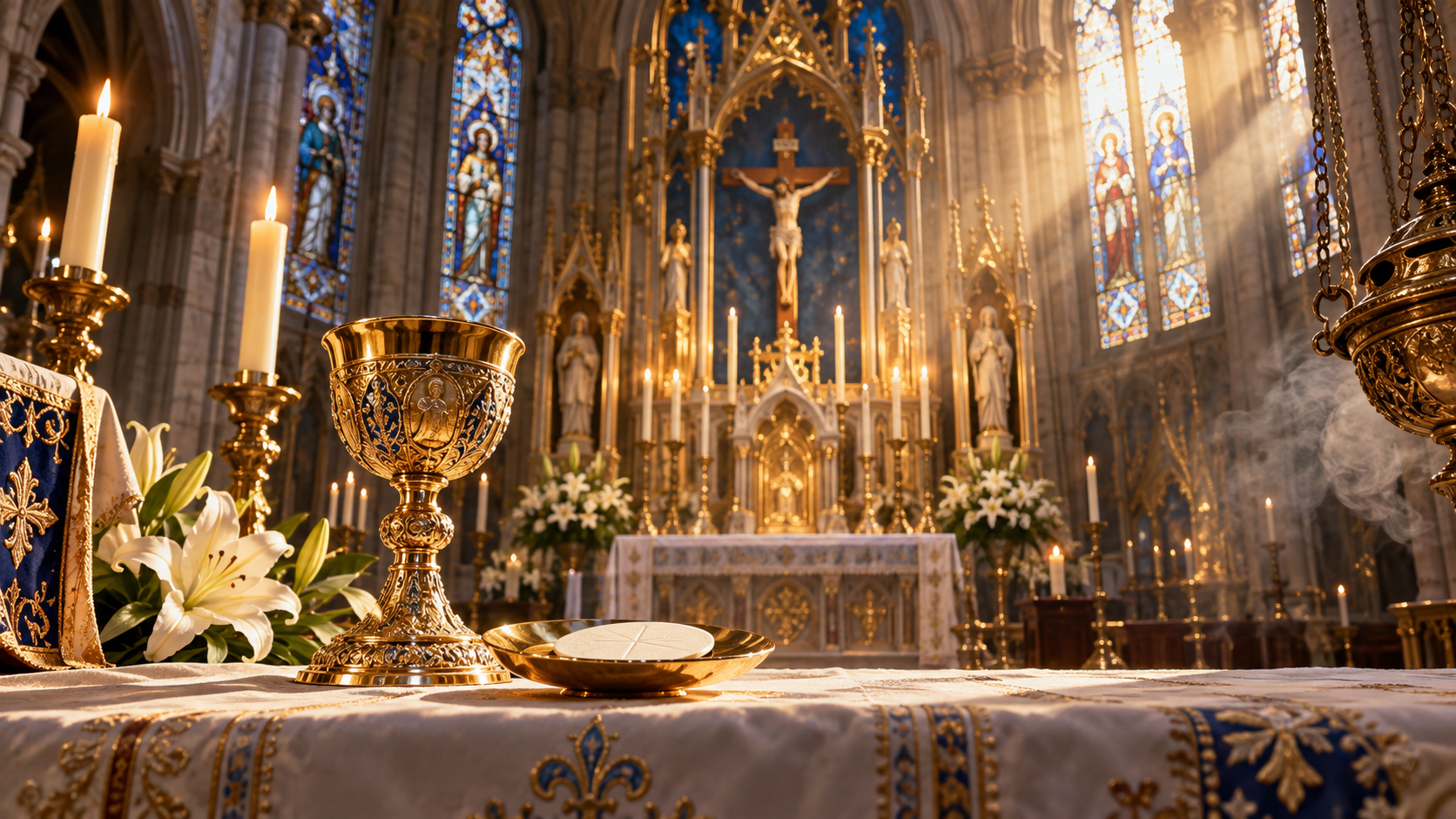
- the Catholic Church;
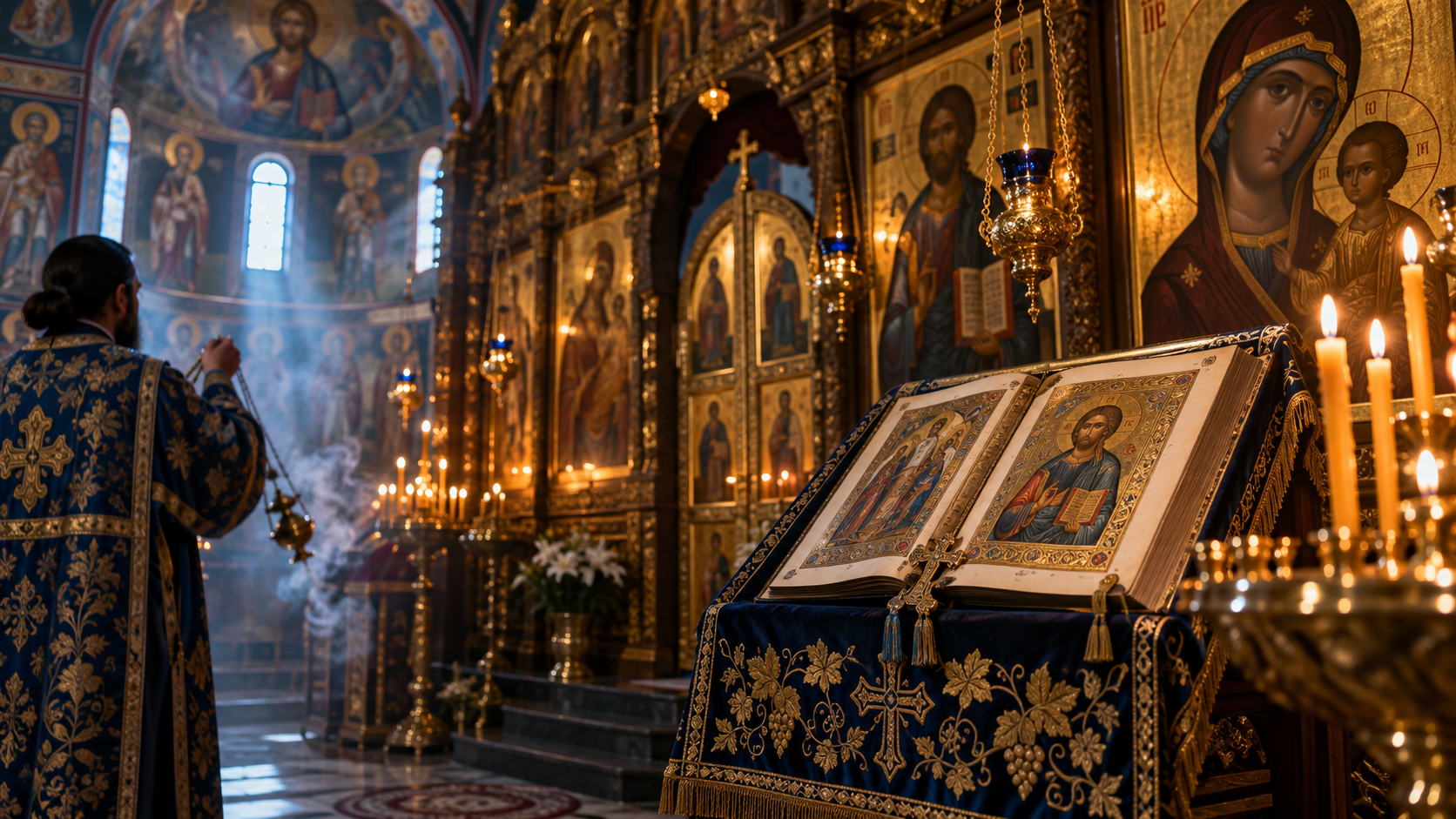
- Orthodox Christianity;
- Protestantism and Evangelicalism;
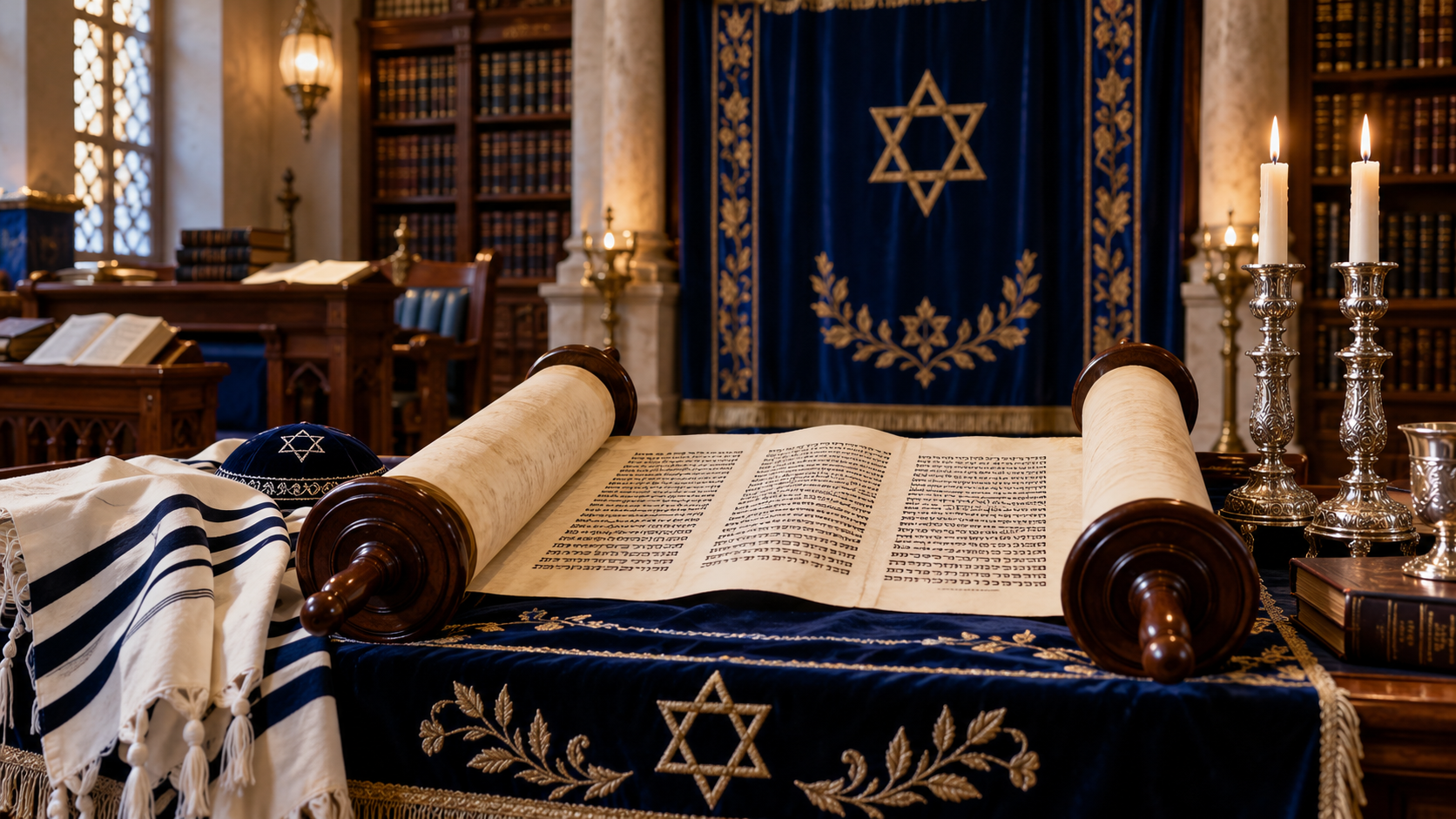
- Judaism.
Future releases will add other Bible-related traditions and more detailed comparison pages.
What each article includes
To make comparison easier, the articles follow a common structure. Each page addresses, as appropriate, topics such as:
- brief origin and history;
- Scriptures and canon;
- God and the language used about God;
- Jesus and his identity;
- the Holy Spirit;
- salvation;
- religious authority;
- sacraments or ordinances;
- worship and community life;
- the afterlife;
- distinctive practices.
An important principle
We do not speak of “Catholics” and “Christians” as if they were opposites. Catholicism, Orthodoxy, and most Protestant churches are forms of Christianity. We also do not treat Protestantism or Judaism as perfectly uniform blocks; both include significant internal diversity.
What many of these traditions share
Even when their disagreements are real and at times deep, there are also historical bridges. Catholics, Orthodox Christians, and many Protestant churches share the Old and New Testaments, confess Jesus Christ, and stand in continuity with the biblical heritage of Israel. Judaism, meanwhile, shares with Christianity the Scriptures of Israel, though it does not share Christian faith in Jesus as Messiah and Lord.
What kind of comparison we offer
The comparison offered here is:
- descriptive, because it first explains what a tradition teaches;
- documented, because it points to official or institutional sources;
- respectful, because it avoids caricatures;
- clear, because it aims to summarize what matters without hiding important nuance.
Before comparing, remember
A fair comparison is not a contest of slogans. For that reason, we avoid formulas such as “this religion says…” unless the statement can be supported by sources recognized within that tradition. When a religious family does not have a single worldwide teaching office — as in Protestantism or Judaism — we say so explicitly and note that views may vary.
Suggested starting points
If this is your first visit to the section, we recommend beginning with:
- What the Catholic Church believes
- What Orthodox Christianity believes
- What Protestants and Evangelicals believe
- What Judaism believes
From there, the comparison tools will help answer common questions such as:
- What do Catholics and Orthodox Christians share?
- How do Catholics and Protestants differ?
- How does Judaism understand Jesus?
- What role does tradition play in each religious family?
Editorial note
This module is not a substitute for reading each tradition’s own primary texts. Rather, it is meant to serve as a structured and respectful gateway for further study.