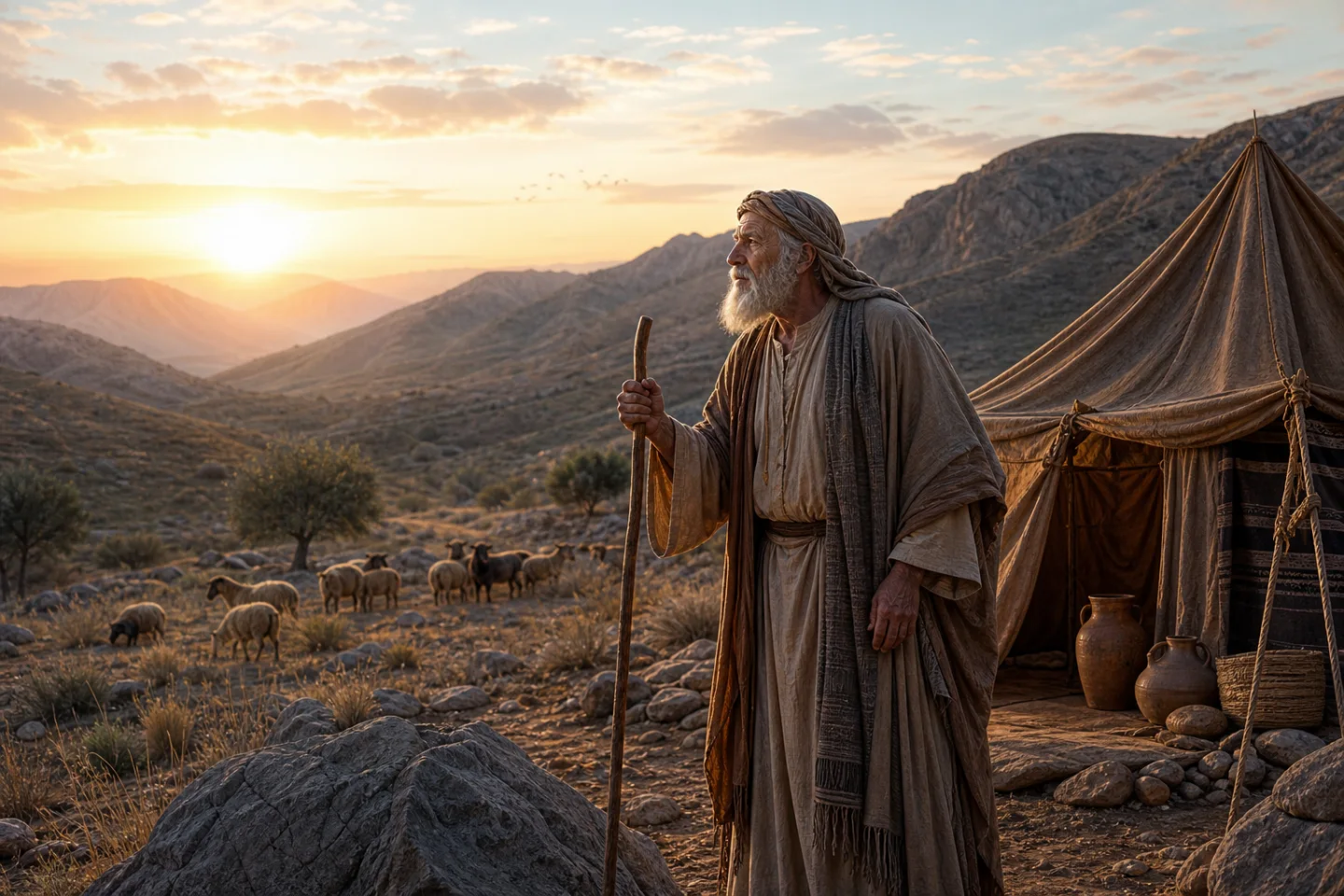
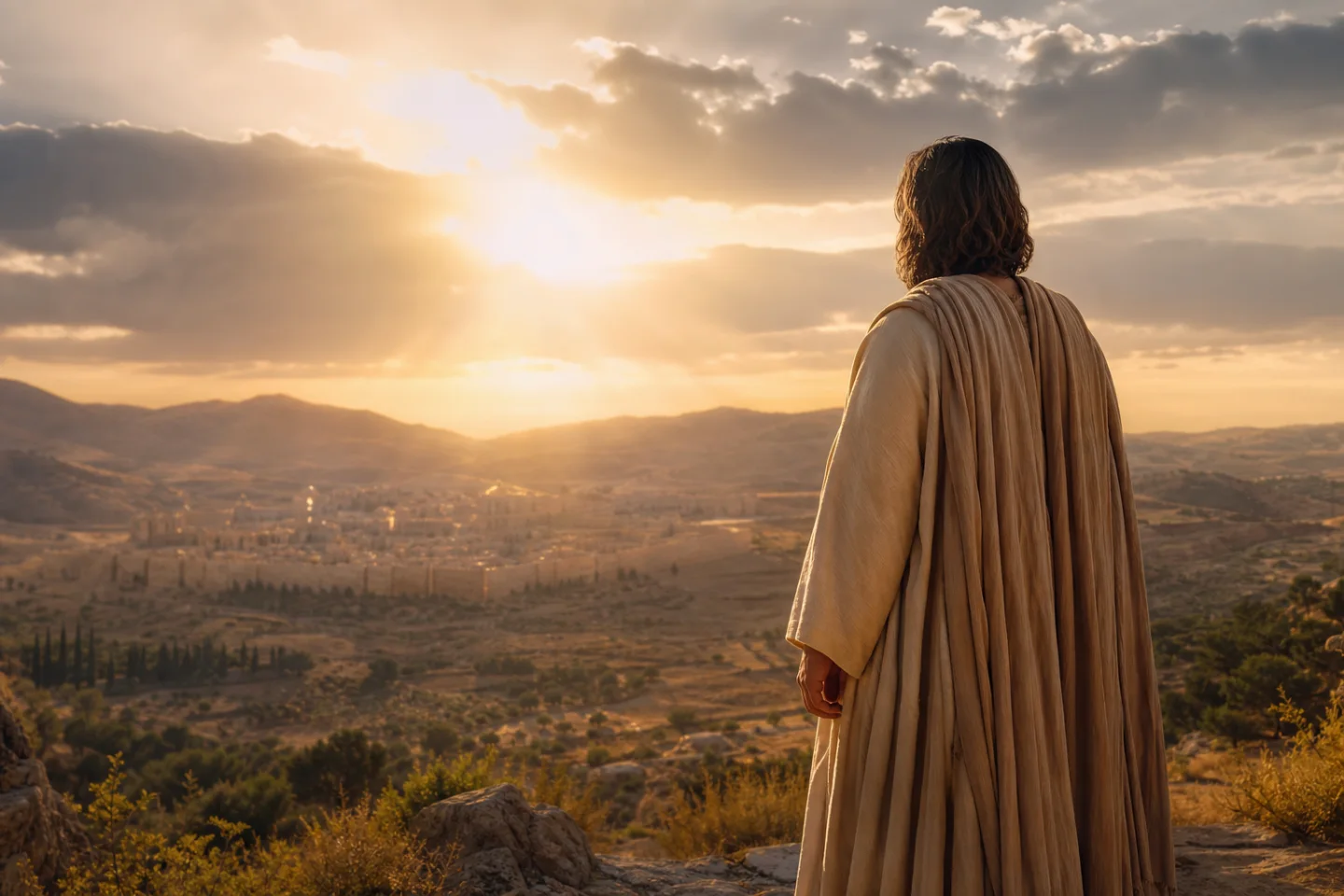
In Scripture, redemption is more than a fresh start or an improved moral life. Its language grows out of concrete situations of slavery, loss, debt, and rescue. Across the biblical story those images widen: God redeems Israel from Egypt, the law protects family inheritance and freedom, the prophets call God the Redeemer of his people, and the New Testament centers saving redemption in Jesus Christ. The result is not merely escape from an old condition. Redemption establishes a new belonging and points toward a restoration that has begun but has not yet reached its final form.
Redemption: Liberation Through Ransom and New Belonging
Several related images meet in the biblical idea of redemption. Exodus 6:6 presents God acting to free Israel from bondage; Ephesians 1:7 connects redemption in Christ with forgiveness; 1 Peter 1:18–19 contrasts an inherited way of life with a costly rescue; and Revelation 5:9–10 widens the horizon to a people purchased for God from many nations. The common thread is not an invitation to speculate about a commercial transaction beyond what the texts say. It is a costly liberation that leads to a changed belonging. God rescues people not to leave them directionless, but to restore them to his purposes.
Éxodo 6:6 · Efesios 1:7 · 1 Pedro 1:18–19 · Apocalipsis 5:9–10
When Redemption Restored Freedom, Land, and Future
Leviticus 25 places redemption in the world of family responsibility, poverty, land, and freedom. Severe loss could separate a family from its inheritance or force an Israelite into servitude. The law made room for a close relative with sufficient means to intervene. Ruth 4 gives a narrative example of public redemption connected with Naomi’s property and Ruth’s future, with Boaz acting openly before witnesses. The scene is valuable because it shows redemption as concrete restoration, yet it should not be turned into an exhaustive allegory in which every action of Boaz automatically corresponds to Christ. Its primary contribution is to show what rescue meant within Israel’s social world.
Levítico 25:25–34 · Levítico 25:47–55 · Rut 4:1–10
From the Exodus to Forgiveness: God Names Himself Israel’s Redeemer
The exodus makes redemption a statement about God’s initiative. Israel does not free itself; God announces that he will bring the people out of Egyptian slavery and redeem them by his power. Passover belongs to that setting of preservation and departure, while retaining its own historical role. The prophets then broaden the vocabulary. Isaiah speaks of God as the one who calls, restores, and redeems his people. Jeremiah joins future restoration to a new covenant marked by forgiveness, and Psalm 130 waits for abundant redemption from the Lord. The theme therefore grows from political and social deliverance to include the moral breach caused by sin and the need for forgiveness.
Éxodo 6:6 · Éxodo 12:1–14 · Isaías 43:1 · Isaías 44:22–23 · Jeremías 31:31–34 · Salmos 130:7–8 · Éxodo 15:13 · Isaías 44:22–24 · Isaías 52:9–10
Jesus and Decisive Redemption: Ransom, Forgiveness, and God’s Righteousness
The New Testament places Jesus at the decisive center of redemption. Mark 10:45 presents his mission as service that reaches its climax in giving his life as a ransom for many. That language can be read alongside Isaiah’s suffering servant without collapsing prophecy and Gospel into a single literary form. Romans 3:21–26 places redemption within God’s righteous action and justification by grace; Galatians 3:13–14 speaks of deliverance from the curse; Ephesians 1:7 joins redemption to forgiveness. Redemption, atonement, justification, and forgiveness overlap, but they are not interchangeable labels. Each describes a different aspect of the saving work Christians confess in Christ.
Isaías 52:13–53:12 · Marcos 10:45 · Romanos 3:21–26 · Gálatas 3:13–14 · Efesios 1:7 · Mateo 20:28
Redeemed From What and For What?
Christian redemption can be viewed as a movement both from and toward. First Peter contrasts the former way of life with rescue through Christ. First Corinthians 6 uses purchase language to call believers to honor God with their lives. Titus 2 links Christ’s self-giving with the formation of a people eager for good works. Hebrews presents his sacrifice as decisive in a way repeated sacrifices could not finally achieve. Redemption therefore does more than remove guilt. It establishes a new allegiance and a life oriented toward holiness and service. Those changes are fruits of grace rather than a price paid to obtain it.
1 Pedro 1:18–21 · 1 Corintios 6:19–20 · Tito 2:13–14 · Hebreos 9:11–15 · Hebreos 10:11–14 · Efesios 1:7 · 1 Pedro 2:9–10 · Hebreos 9:24–28 · Hebreos 10:11–18 · 1 Pedro 1:14–19 · Tito 2:11–14
A Redemption Received Now and Completed in the New Creation
Redemption also has a future horizon. Romans 8:23 speaks of bodily redemption still awaited, while Ephesians 1:13–14 describes the Spirit as the guarantee of the inheritance ahead. Revelation 5:9–10 portrays a redeemed people from every tribe, language, people, and nation, and Revelation 21:1–4 carries the hope into a renewed creation where death and sorrow no longer rule. Redemption is therefore both already received and not yet complete. Forgiveness and belonging are present realities, while the full renewal of human life and creation remains an object of hope. That tension supports gratitude, holiness, and endurance without pretending every consequence of a broken world has already vanished.
Romanos 8:23 · Efesios 1:13–14 · Apocalipsis 5:9–10 · Apocalipsis 21:1–4 · Apocalipsis 14:3–4 · Apocalipsis 22:3–5
Conclusion
Biblical redemption brings rescue, forgiveness, belonging, and hope into one coherent story. Its early social and historical images become part of a larger testimony to God’s saving action, centered for Christians in the self-giving of Jesus and completed in the promised renewal of creation. Redemption therefore shapes both identity and expectation: those who are redeemed belong to God now and await the full restoration still to come.
Biblical references
- Éxodo 6:6
- Efesios 1:7
- 1 Pedro 1:18–19
- Apocalipsis 5:9–10
- Levítico 25:25–34
- Levítico 25:47–55
- Rut 4:1–10
- Éxodo 12:1–14
- Isaías 43:1
- Isaías 44:22–23
- Jeremías 31:31–34
- Salmos 130:7–8
- Éxodo 15:13
- Isaías 44:22–24
- Isaías 52:9–10
- Isaías 52:13–53:12
- Marcos 10:45
- Romanos 3:21–26
- Gálatas 3:13–14
- Mateo 20:28
- 1 Pedro 1:18–21
- 1 Corintios 6:19–20
- Tito 2:13–14
- Hebreos 9:11–15
- Hebreos 10:11–14
- 1 Pedro 2:9–10
- Hebreos 9:24–28
- Hebreos 10:11–18
- 1 Pedro 1:14–19
- Tito 2:11–14
- Romanos 8:23
- Efesios 1:13–14
- Apocalipsis 21:1–4
- Apocalipsis 14:3–4
- Apocalipsis 22:3–5