
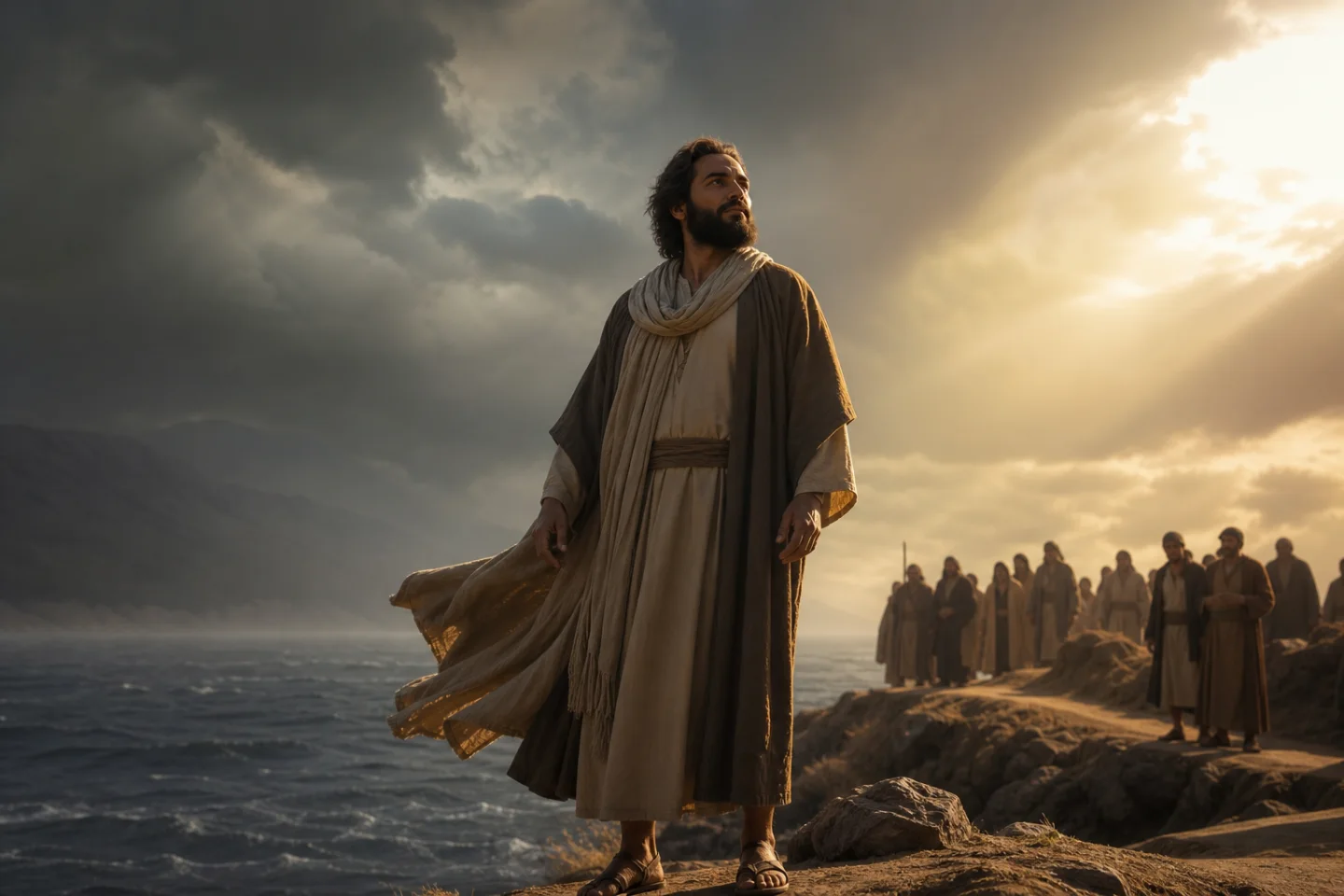
Fear can rise from a concrete threat, possible loss, illness, a difficult decision, or anxiety that seems to expand by the hour. Scripture does not portray faithful people as incapable of fear. Often trust begins precisely where danger has been acknowledged. The deeper question is not simply how to stop feeling afraid, but how to keep fear from ruling decisions, shaping every thought about God, and isolating a person from wise help.
Fear Is Not Overcome by Pretending It Does Not Exist
Psalm 56:3–4 holds together two realities that are sometimes separated: the psalmist acknowledges fear and, in that very moment, chooses to trust God. Isaiah 41:10 grounds the call not to fear in God’s presence and help. In Mark 4:35–41 the disciples are genuinely frightened by a storm they believe threatens their lives, and Jesus confronts their lack of trust without pretending there was no storm. John 14 speaks of Christ’s peace in a setting of uncertainty rather than comfort. The biblical response therefore is not emotional denial. It is learning not to hand fear control over the whole life.
Salmos 56:3–4 · Isaías 41:10 · Marcos 4:35–41 · Juan 14:1 · Juan 14:27 · 2 Timoteo 1:7 · Filipenses 4:4–9 · 1 Pedro 5:6–9
Not Every Kind of Fear Is the Same
Not every kind of fear means the same thing. There is a natural reaction to danger, anxiety that becomes controlling, cowardice that keeps a person from obedience, and the reverent fear of God that Scripture treats positively. Mixing these categories can lead to harmful advice. A person may take responsible precautions without betraying faith, and a person may also need to challenge a fear that magnifies threats and produces paralysis. Second Timothy 1:7 contrasts timidity with power, love, and self-control, while other passages speak positively of fearing God. The goal is not emotional numbness but freedom from fear that enslaves or governs in a disordered way.
Salmos 56:3–4 · Isaías 41:10 · Marcos 4:35–41 · Juan 14:1 · Juan 14:27 · 2 Timoteo 1:7 · 1 Juan 4:17–18
The Basis of Confidence Is God’s Presence, Not Inner Strength
Biblical calls to courage are often accompanied by a reason. Deuteronomy 31:6 and 31:8 encourage Israel and Joshua because God will not abandon them. Isaiah 41 joins the command not to fear with God’s promise to be present, strengthen, and help. This shifts the center of confidence. Trust does not rest on a believer’s ability to control every variable, but on God’s character and faithfulness. Such confidence does not promise that every immediate outcome will be comfortable. It means uncertainty is not faced as though one had been left entirely alone.
Deuteronomio 31:6 · Deuteronomio 31:8 · Isaías 41:10 · Josué 1:5–9 · Isaías 43:1–2
Jesus Does Not Promise a Storm-Free Life
Mark 4 matters because Jesus’ presence in the boat does not prevent the storm. The story does not teach that faith removes every threatening experience; it challenges the assumption that danger means God has ceased to care. Likewise, John 14 offers peace in the setting of departure and uncertainty. The peace Jesus gives cannot be reduced to favorable circumstances. These passages therefore should not be used to guarantee quick solutions to every crisis. Christian trust can coexist with tears, waiting, medical treatment, hard decisions, and long processes.
Marcos 4:35–41 · Juan 14:1 · Mateo 6:25–34 · Lucas 12:22–32
What to Do When Fear Appears: Five Biblical Movements
Several biblical movements can give shape to a response when fear rises. First, name the fear before God instead of hiding it; the Psalms model unusually honest prayer. Second, remember a concrete truth about God’s presence and character rather than repeating vague slogans. Third, bring concerns to God in prayer, as Philippians 4:6–7 teaches. Fourth, identify the next genuine step of obedience, even if it is small. Fifth, share the burden with mature believers and trustworthy people; Galatians 6:2 assumes a community where burdens are not always carried alone. None of these steps is a mechanical technique, but together they can move fear away from the center.
Gálatas 6:2 · Filipenses 4:6–7 · 1 Pedro 5:7 · Romanos 8:14–17 · Filipenses 4:6–9 · Hebreos 10:24–25
Faith Does Not Eliminate Prudence: When to Seek Help
Faith does not require staying in a dangerous situation to prove courage. Proverbs 22:3 values prudent response to danger. When fear is connected with violence, abuse, immediate physical risk, a severe mental-health crisis, thoughts of self-harm, or danger to life, seeking professional, medical, emergency, legal, or trusted personal help can be responsible. That is a prudent pastoral application rather than a promise that a single verse will resolve a complex emergency. Christian community can accompany a person without pretending to replace specialized care when specialized care is needed.
Proverbios 22:3 · Proverbios 27:12
A Short Prayer and One Concrete Step for Today
A concrete response can begin without trying to solve an entire life in one afternoon. Identify the main fear, express it honestly in prayer, choose a relevant biblical truth to remember, and decide on the next responsible action. A difficult conversation may call for wise accompaniment; recurring anxiety may call for regular prayer and further support; genuine danger may require leaving and seeking immediate help. Mature trust combines dependence on God with sober decisions. The goal for today does not have to be feeling no fear at all, but acting without allowing fear to have the final word.
Salmos 56:3–4 · Isaías 41:10 · Filipenses 4:6–7
Conclusion
Biblically, overcoming fear is not pretending that nothing can go wrong. It means bringing fear before God, remembering who he is, praying honestly, acting with obedience and prudence, and receiving needed support. Christian trust does not erase every risk, but it can keep fear from becoming the master of the response.
Biblical references
- Salmos 56:3–4
- Isaías 41:10
- Marcos 4:35–41
- Juan 14:1
- Juan 14:27
- 2 Timoteo 1:7
- Filipenses 4:4–9
- 1 Pedro 5:6–9
- 1 Juan 4:17–18
- Deuteronomio 31:6
- Deuteronomio 31:8
- Josué 1:5–9
- Isaías 43:1–2
- Mateo 6:25–34
- Lucas 12:22–32
- Gálatas 6:2
- Filipenses 4:6–7
- 1 Pedro 5:7
- Romanos 8:14–17
- Filipenses 4:6–9
- Hebreos 10:24–25
- Proverbios 22:3
- Proverbios 27:12