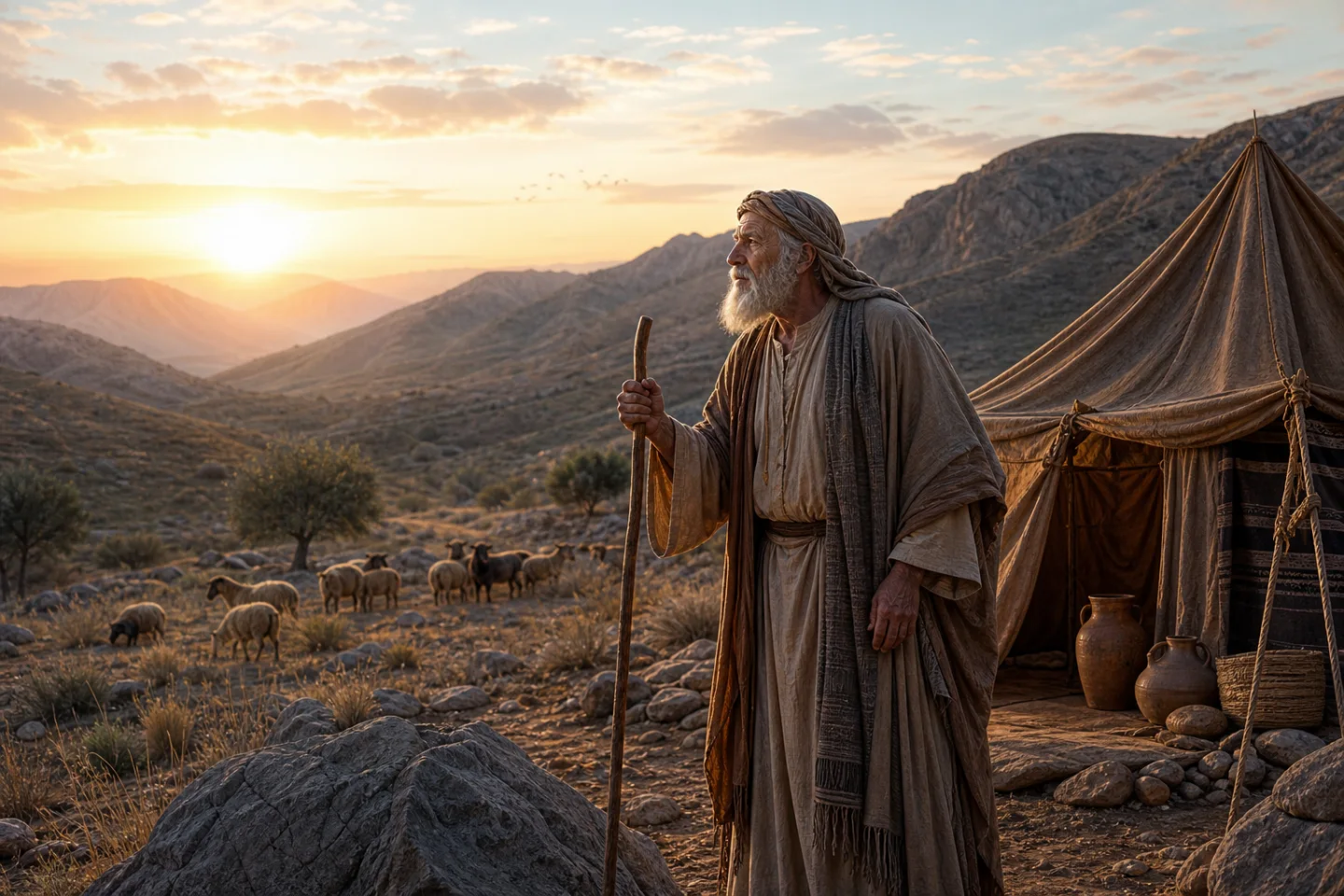
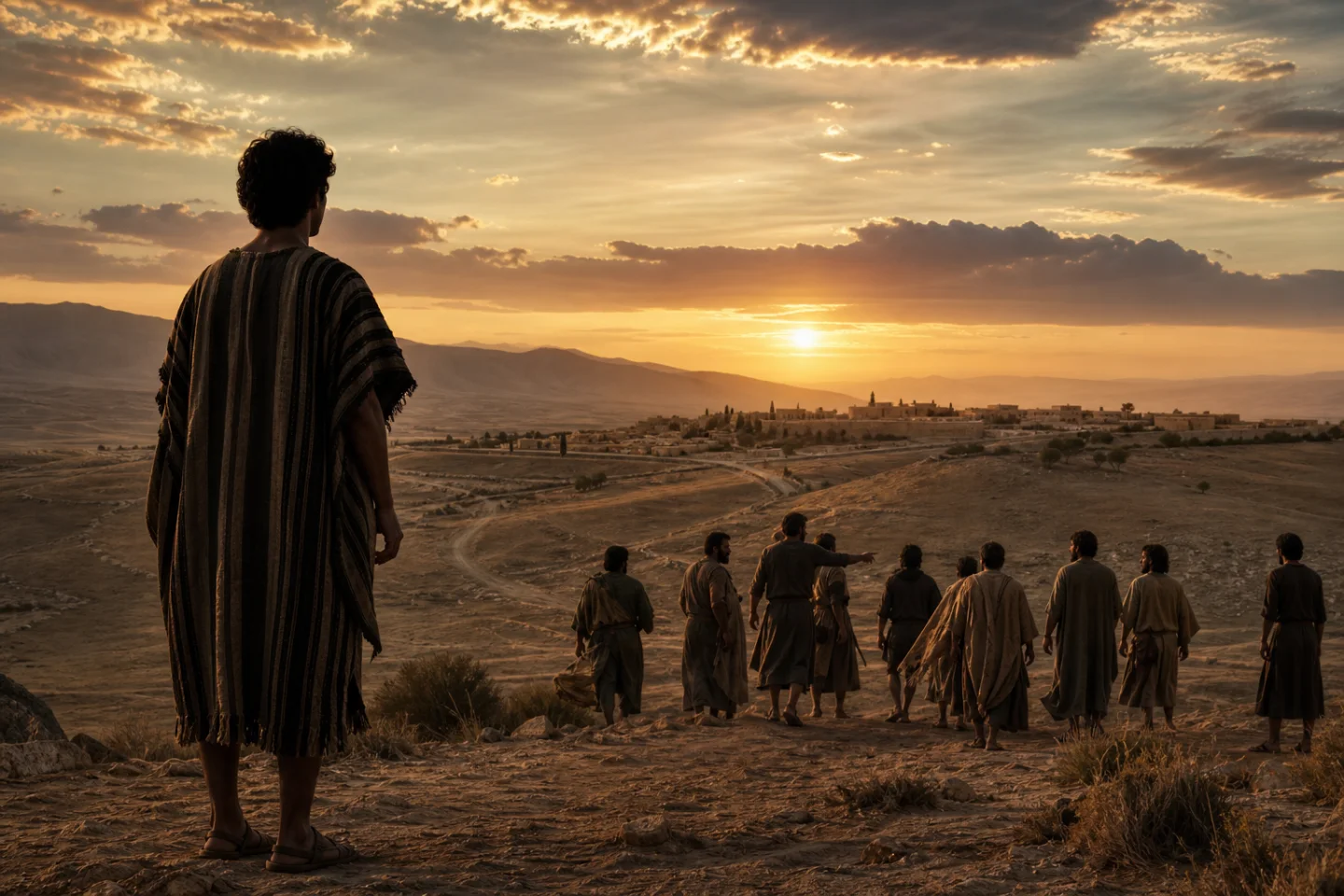
Joseph’s story fills the closing movement of Genesis and turns a fractured family conflict into a decisive chapter in Israel’s history. A favored son is sold, enslaved, imprisoned, and eventually raised to a position from which he can preserve many lives. Genesis neither minimizes the evil done to Joseph nor treats his later authority as a simple success story. Its deeper interest lies in the way faithfulness, human responsibility, and God’s providence unfold through years in which Joseph often has very little control.
Joseph, Son of Jacob and Rachel: Which Joseph Is This and Why Does He Matter?
This Joseph is the son of Jacob—also called Israel—and Rachel, and the full brother of Benjamin. Genesis places him firmly inside the patriarchal family rather than presenting him as an isolated hero. His story continues the line of Abraham, Isaac, and Jacob and prepares the transition into Exodus. The narrative question is larger than Joseph’s personal future: how will a family torn by favoritism, jealousy, and violence survive a regional crisis? The rejected brother will eventually occupy the position through which that same household is preserved.
Génesis 30:22–24 · Génesis 35:22–26 · Génesis 37:1–2 · Génesis 35:24 · Génesis 46:19
Dreams, Family Conflict, and the Sale into Egypt
The hostility toward Joseph has more than one source. Jacob’s favoritism is visible, the special garment intensifies resentment, and Joseph’s dreams deepen the conflict. When his brothers see him approaching, some consider killing him. Reuben tries to prevent immediate bloodshed; Judah proposes selling him instead. Joseph is taken to Egypt, while the brothers deceive Jacob about what happened. Genesis does not soften the episode. The sale, the lie, and the father’s grief form a genuine moral rupture whose effects remain present long after Joseph disappears from the family home.
Génesis 37:3–11 · Génesis 37:18–36 · Hechos 7:9 · Génesis 37:18–20 · Génesis 37:25–28 · Génesis 37:36 · Génesis 39:1 · Génesis 45:9–11 · Génesis 47:11–12 · Génesis 50:19–21
Faithfulness Without Control: Joseph in Potiphar’s House and in Prison
In Egypt Joseph repeatedly loses control over his circumstances, yet the narrative repeatedly says that God is with him. He gains responsibility in Potiphar’s house, refuses the advances of Potiphar’s wife, and is imprisoned after her accusation. In prison he is again entrusted with responsibility. When the cupbearer and baker dream, Joseph insists that interpretation belongs to God. That conviction prepares for his later appearance before Pharaoh. Joseph’s faithfulness does not protect him from injustice, but it shapes his conduct inside situations he did not choose and cannot easily escape.
Génesis 39:1–23 · Génesis 40:1–23 · Salmos 105:16–22 · Génesis 39:7–20 · Génesis 40:8 · Génesis 40:20–22 · Génesis 41:15–16 · Génesis 41:25–32 · Génesis 39:7–12 · Génesis 41:39–57 · Génesis 45:5–11
From Prison to Egypt’s Government: Pharaoh’s Dreams and the Famine
Genesis 41 brings the decisive reversal. Pharaoh’s dreams point to years of abundance followed by severe famine, and Joseph interprets them while refusing to claim the insight as independent power. He recommends storing food during the plentiful years, and Pharaoh places him over the plan. His rise does not erase the prison or turn him into a self-made hero; it positions him where an approaching disaster can be managed. When famine spreads beyond Egypt, the stored grain becomes the reason Joseph’s brothers must come to the very country where they had sent him.
Génesis 41:15–16 · Génesis 41:25–44 · Génesis 41:47–57 · Génesis 41:33–44
The Reunion with His Brothers: Testing, Change, and Reconciliation
The reunion with Joseph’s brothers unfolds slowly because reconciliation is not treated as a single emotional moment. Joseph recognizes them but does not immediately reveal himself. The repeated journeys, Benjamin’s presence, and Judah’s willingness to offer himself for his brother expose changes within the family. When Joseph finally identifies himself, he does not deny the wrong they committed. He names their intent as evil, yet understands his presence in Egypt as a means by which God preserved life. The result is not sentimental amnesia but a reconciliation that holds moral responsibility and providence together.
Génesis 42:1–38 · Génesis 43:1–34 · Génesis 44:18–34 · Génesis 45:1–8 · Génesis 50:15–21 · Génesis 45:4–8
Goshen, the Promise, and Joseph’s Bones
Joseph’s role does not end with the family reunion. He settles Jacob’s household in Egypt and provides for them through the famine. That move ensures immediate survival while also setting the stage for Exodus, where a later generation will face oppression. Near death, Joseph speaks of God’s future visitation and asks that his bones be carried out when Israel leaves Egypt. Exodus 13 and Joshua 24 later recall that request. His burial instructions become a confession that Egypt, even at the height of Joseph’s influence, is not the final destination of the promise.
Génesis 46:1–7 · Génesis 47:11–12 · Génesis 50:22–26 · Éxodo 1:1–8 · Éxodo 13:19 · Josué 24:32 · Génesis 50:24–26 · Génesis 47:27
What Joseph’s Story Reveals About God and Human Responsibility
Joseph’s story keeps providence and responsibility together. God’s ability to bring preservation out of evil does not excuse the brothers’ actions. Joseph himself does not control the path: he serves faithfully as a slave, a prisoner, and later an administrator. In the end, the preservation of Jacob’s family sustains the covenant line. Application therefore needs restraint. The narrative encourages integrity when control is limited and responsible use of authority for the good of others, but it does not promise that every injustice will end with public elevation or visible success like Joseph’s.
Génesis 45:5–8 · Génesis 50:20 · Génesis 15:13–16 · Hebreos 11:22 · Romanos 8:28 · Génesis 39:2–5 · Génesis 41:38–44
Conclusion
Joseph ends Genesis as a man who does not erase the past. He names the wrong that was done and yet recognizes a preserving purpose larger than the intentions of those who harmed him. His life prepares Israel’s move to Egypt, keeps alive the hope of a future departure, and shows what faithfulness can look like under changing forms of power and powerlessness. The story does not promise every sufferer the same visible outcome, but it offers a lasting biblical vision of providence, responsibility, and forgiveness.
Biblical references
- Génesis 30:22–24
- Génesis 35:22–26
- Génesis 37:1–2
- Génesis 35:24
- Génesis 46:19
- Génesis 37:3–11
- Génesis 37:18–36
- Hechos 7:9
- Génesis 37:18–20
- Génesis 37:25–28
- Génesis 37:36
- Génesis 39:1
- Génesis 45:9–11
- Génesis 47:11–12
- Génesis 50:19–21
- Génesis 39:1–23
- Génesis 40:1–23
- Salmos 105:16–22
- Génesis 39:7–20
- Génesis 40:8
- Génesis 40:20–22
- Génesis 41:15–16
- Génesis 41:25–32
- Génesis 39:7–12
- Génesis 41:39–57
- Génesis 45:5–11
- Génesis 41:25–44
- Génesis 41:47–57
- Génesis 41:33–44
- Génesis 42:1–38
- Génesis 43:1–34
- Génesis 44:18–34
- Génesis 45:1–8
- Génesis 50:15–21
- Génesis 45:4–8
- Génesis 46:1–7
- Génesis 50:22–26
- Éxodo 1:1–8
- Éxodo 13:19
- Josué 24:32
- Génesis 50:24–26
- Génesis 47:27
- Génesis 45:5–8
- Génesis 50:20
- Génesis 15:13–16
- Hebreos 11:22
- Romanos 8:28
- Génesis 39:2–5
- Génesis 41:38–44