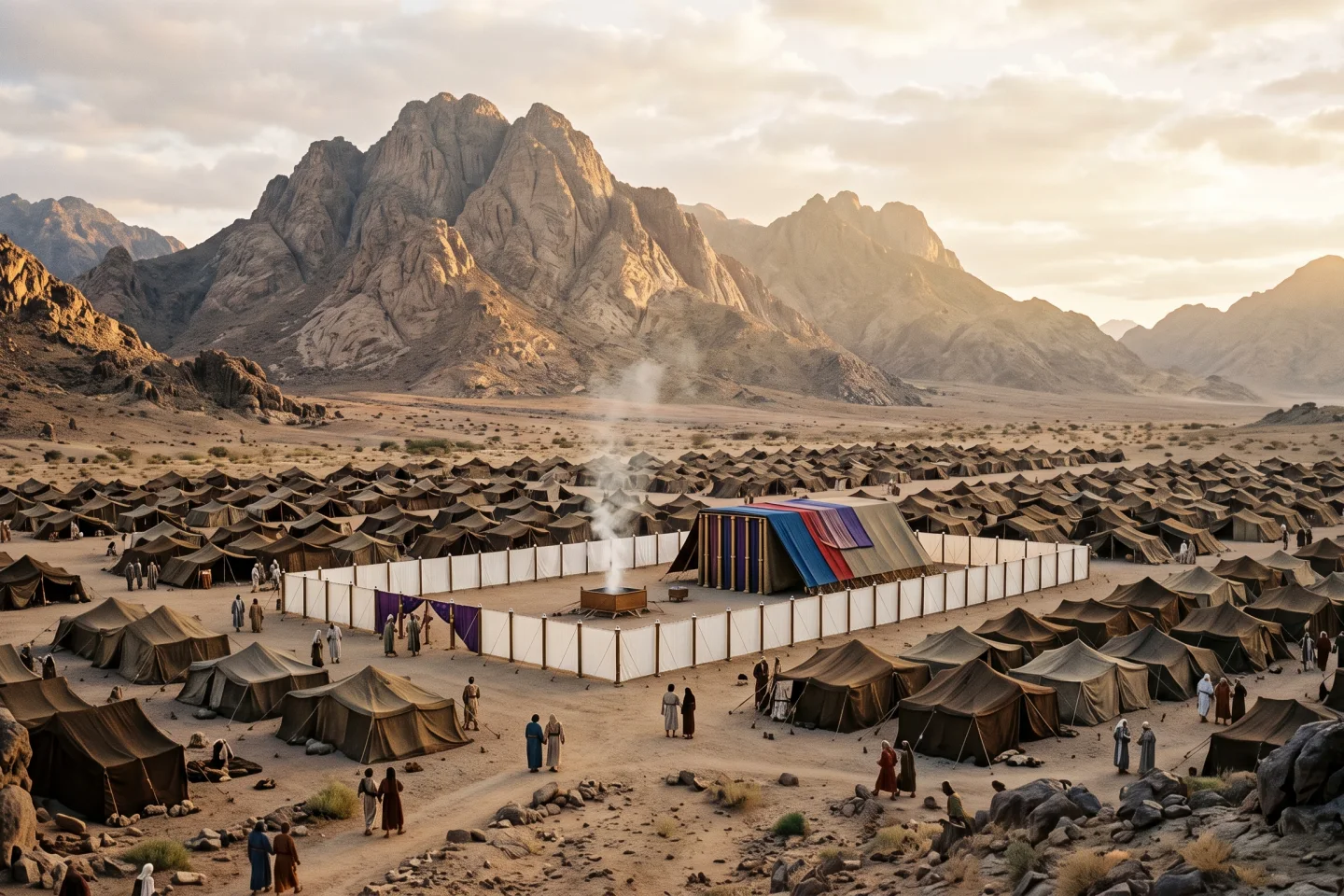
Exodus 30 gathers different instructions around a common concern: how is sanctuary service to be maintained before a holy God? The chapter describes the incense altar, the census ransom, the basin for priestly washing, and two formulas reserved for anointing oil and incense. Each element establishes concrete boundaries and practices for worship.
The Incense Altar and Daily Service
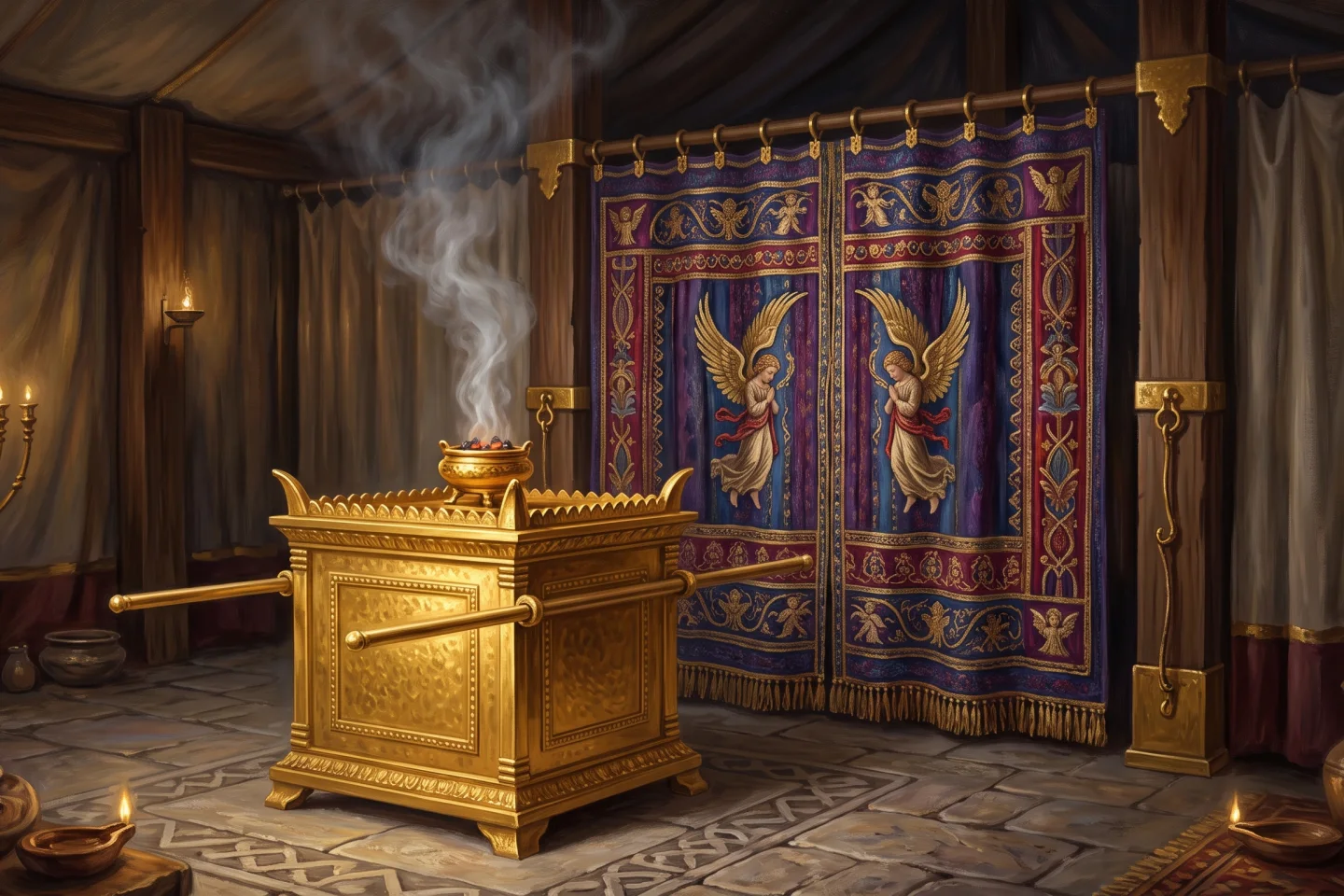
An acacia-wood altar overlaid with gold is prescribed for burning incense. Aaron is to offer incense every morning and evening in connection with the lamps, and atonement is made on its horns once a year. The altar is reserved for a specific function. Later biblical passages associate incense with prayer, allowing a canonical connection with intercession without erasing the altar’s original liturgical role.
Exodus 30:1–10 · Exodus 37:25–29 · Psalm 141:1–2 · Revelation 8:3–4
The Half-Shekel Ransom in the Census
When the census is taken, every counted man must give a half-shekel as ransom. The same amount applies to rich and poor, so the value is not adjusted according to personal wealth. Exodus later connects this silver with parts of the tabernacle. The ordinance therefore links the counting of the people with support for sanctuary service and with a reminder that the lives being counted remain under God’s authority.
Exodus 30:11–16 · Exodus 38:25–28
The Bronze Basin and Priestly Washing
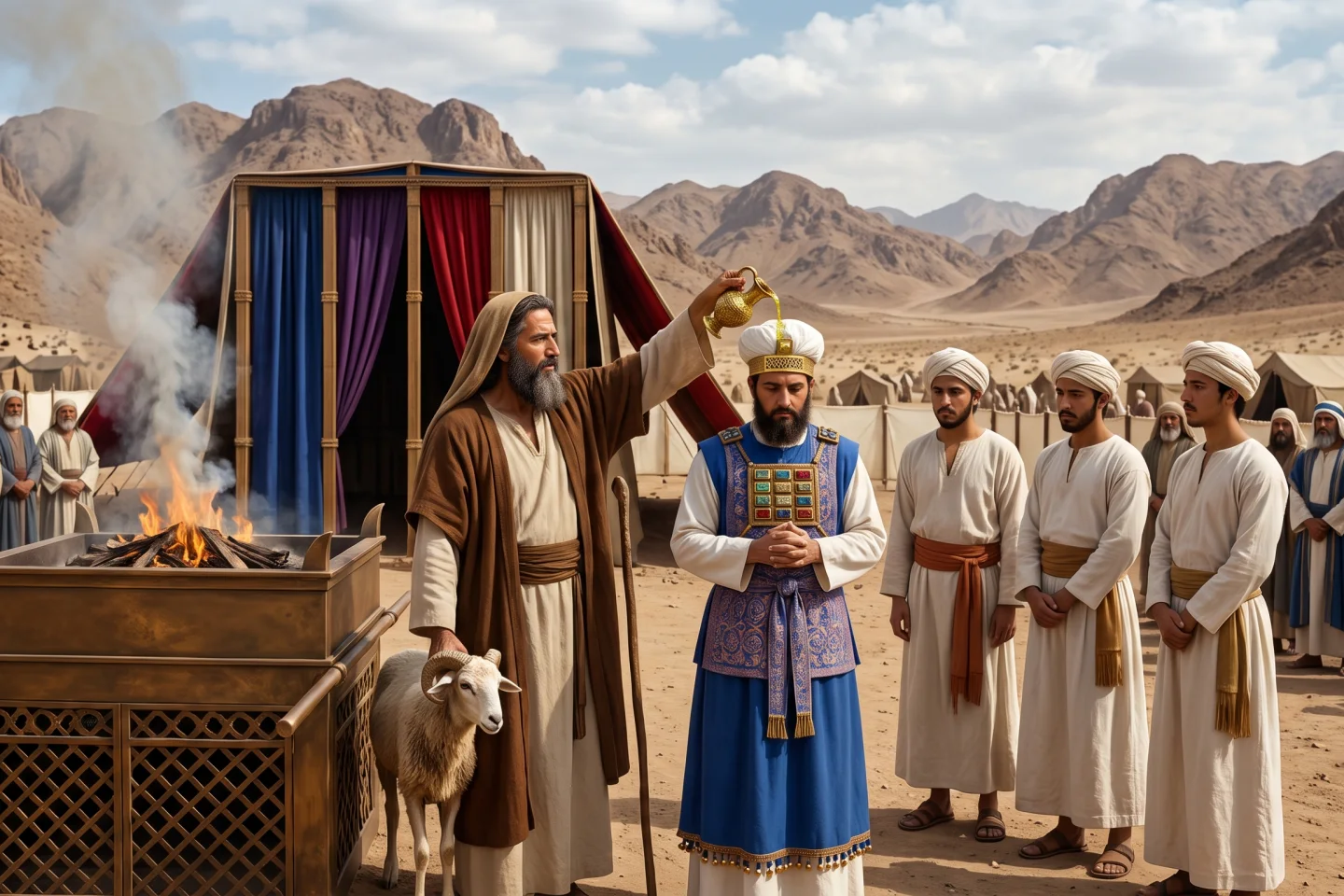
A bronze basin is to stand between the altar and the tent of meeting. Aaron and his sons wash their hands and feet there before entering or ministering at the altar, and the warning of death shows the seriousness of the command. Priestly service therefore includes repeated cleansing within the sanctuary’s daily routine. The basin makes washing a visible transition between ordinary movement and sacred ministry.
Exodus 30:17–21
Holy Anointing Oil and the Exclusive Incense Formula
The second half of the chapter prescribes one mixture for anointing oil and another for aromatic incense. The oil consecrates the sanctuary, its furnishings, and the priests. Both formulas are reserved for sacred use and may not be reproduced as ordinary personal perfume. The penalties underline that what has been set apart for worship must not be treated as common property. Holiness here includes a clear distinction of use and belonging.
Exodus 30:22–38 · Exodus 37:25–29
Intercession, Cleansing, and a Canonical Reading in Christ
Other biblical texts develop images already present in Exodus 30. Psalms and Revelation associate incense with prayer; Leviticus 16 places incense and atonement within the Day of Atonement; Hebrews presents superior cleansing and mediation in Christ. These are later canonical connections. They show how the categories of intercession, purification, and access to the sanctuary continue across Scripture without turning every ritual detail into an automatic one-to-one symbol.
Leviticus 16:1–34 · Psalm 141:1–2 · Hebrews 9:1–14 · Hebrews 10:22 · Revelation 8:3–4
Conclusion
Exodus 30 shows sanctuary worship surrounded by concrete practices of atonement, cleansing, intercession, and consecration. Altar, ransom, basin, and sacred formulas all emphasize that access to the sanctuary is never casual. Read within the wider canon, the chapter also supplies categories later developed in discussions of prayer, purification, and mediation.
Biblical references
- Exodus 30:1–10
- Exodus 37:25–29
- Exodus 30:11–16
- Exodus 38:25–28
- Exodus 30:17–21
- Exodus 30:22–38
- Leviticus 16:1–34
- Psalm 141:1–2
- Hebrews 9:1–14
- Hebrews 10:22
- Revelation 8:3–4