Exodus 29 explains how Aaron and his sons were to be consecrated for service in the sanctuary. Washing, garments, anointing, sacrifice, a sacred meal, and a seven-day process all belong to the ritual. Yet the chapter’s climax is not ritual for its own sake. It ends with God’s declaration that he will sanctify the place and dwell among the people he brought out of Egypt.
Washing, Investiture, and Anointing
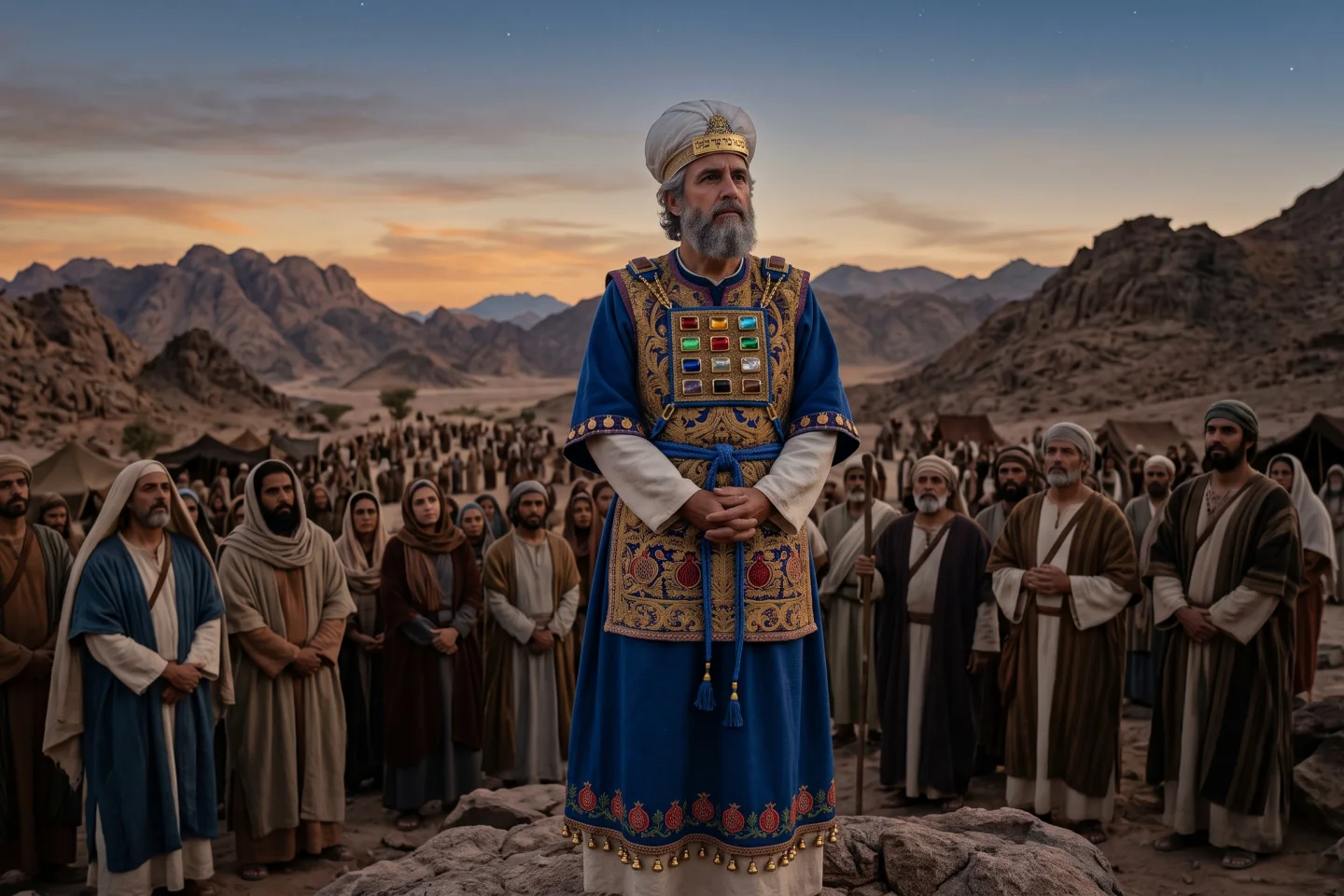
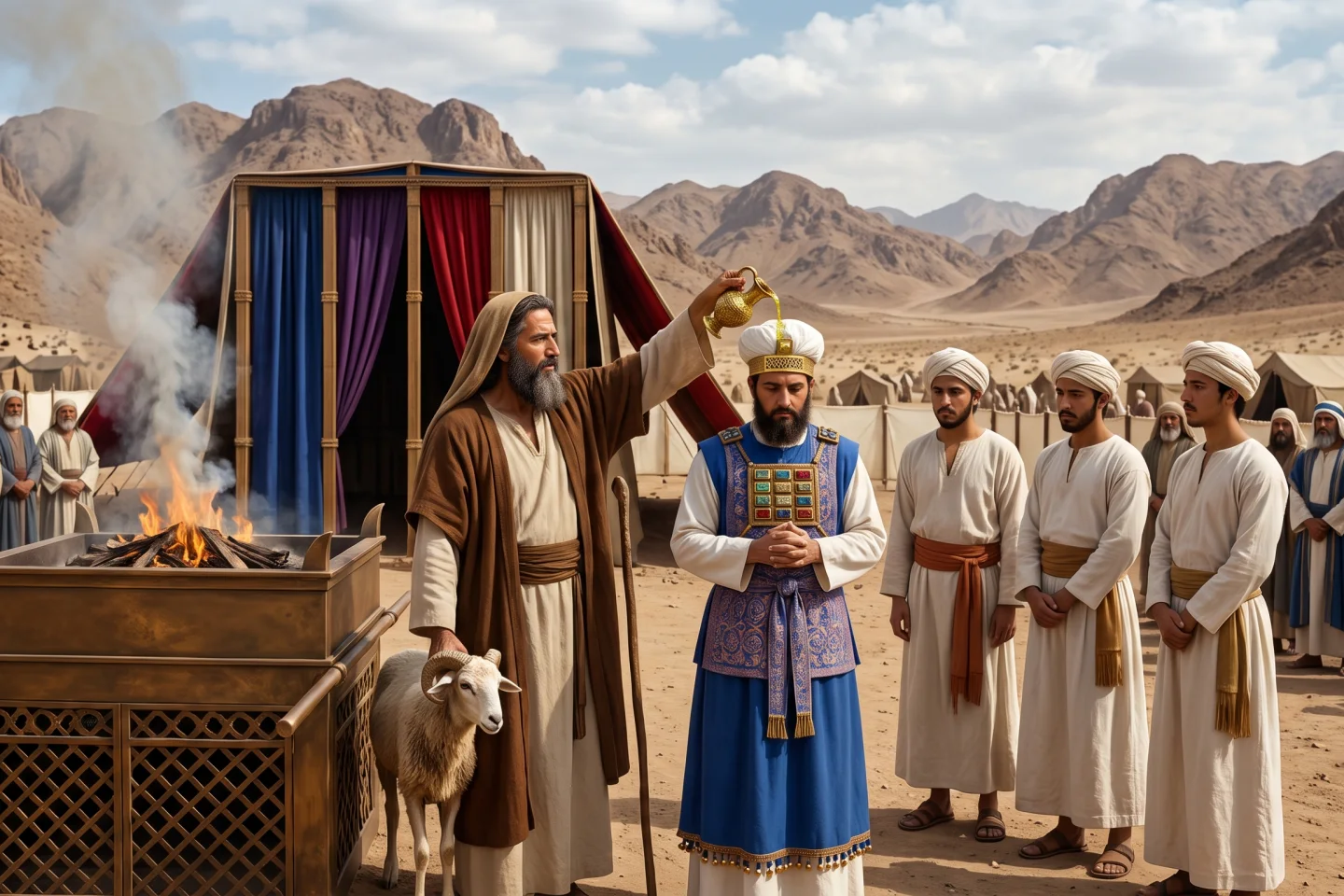
Consecration begins with water. Aaron and his sons are washed before receiving the garments of office. Aaron is then clothed in the prescribed order and anointed with oil. The sequence shows that priestly service is not entered merely by family status. Even those chosen for the office undergo purification, investiture, and consecration before they serve at the sanctuary.
Exodus 29:1–46
The Sin Offering and the First Ram
Aaron and his sons lay their hands on the bull designated for the sin offering. Its blood is applied to the altar, selected parts are burned, and the remainder is taken outside the camp. The first ram is then offered wholly as a burnt offering. These sacrifices precede the priests’ full installation and show that access to ministry is not treated as a simple appointment ceremony; it is bound to sacrifice, blood, and the sanctification of the altar.
Exodus 29:10–18
The Ram of Consecration and the Sacred Meal
With the second ram, blood is placed on the right ear, right thumb, and right big toe of the priests. Blood and anointing oil are also sprinkled on them and their garments. Some portions are presented as offerings, while others become part of a sacred meal restricted to those who have been consecrated. Body, clothing, altar, and meal all participate in a rite expressing that the whole person has been set apart for service.
Exodus 29:19–34
Seven Days of Ordination and the Continual Offering
The consecration process extends over seven days, including purification of the altar and repeated rites. The chapter then establishes a daily offering of two lambs, one in the morning and another in the evening, accompanied by flour, oil, and wine. Sanctuary life therefore does not end with an inaugural ceremony. Ordinary worship includes a continual rhythm that keeps the altar functioning as a place of meeting and service.
Exodus 29:35–42
The Purpose: God Dwelling among a Redeemed People
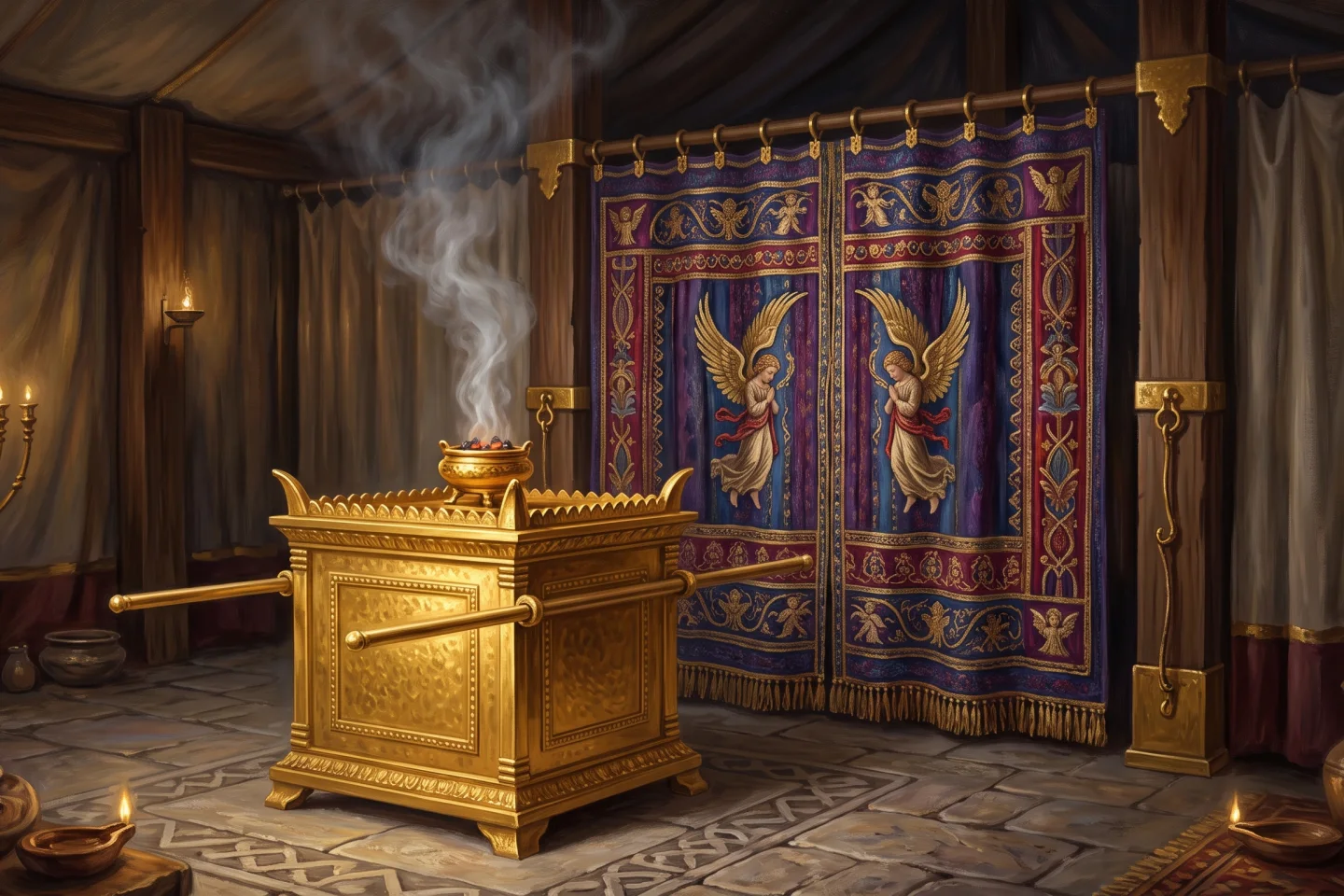
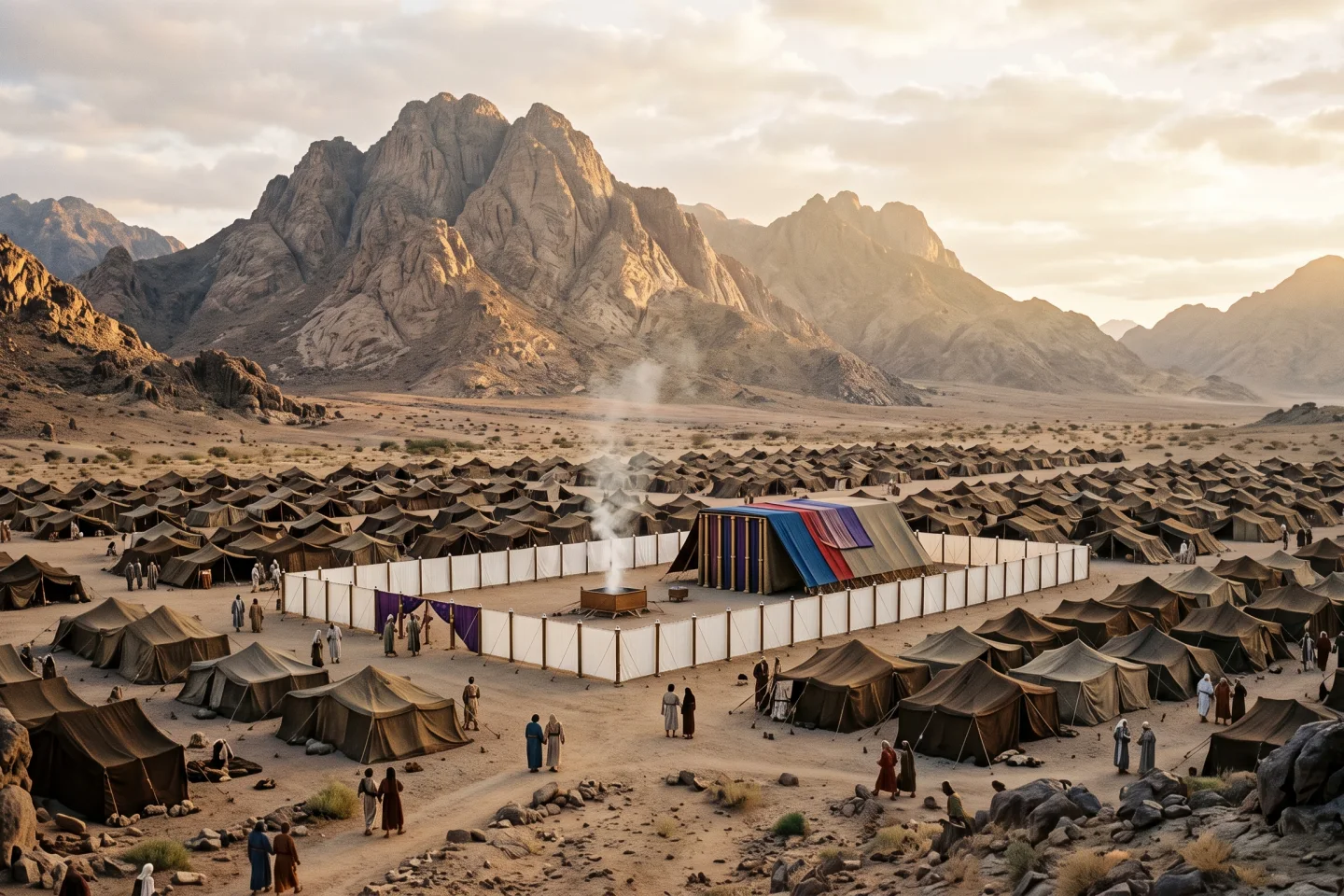
The final verses explain the goal of the entire arrangement. God promises to meet Israel there, sanctify the tent, altar, and priests, and dwell among the people. Theologically, priesthood and sacrifice belong within a relationship initiated by the God who brought Israel out of Egypt. Divine presence is not presented as a reward for Israel’s perfection but as the covenant goal of a redeemed people called to holiness.
Exodus 29:43–46
Leviticus 8 and the Contrast with Christ’s Priesthood
Leviticus 8 records the historical execution of these instructions, showing that Exodus 29 was not an abstract design. Hebrews later contrasts the repeated and mortal Levitical priesthood with the perfect and enduring priesthood of Christ. That is a later canonical reading: it does not erase the original meaning of Israel’s rites, but places them within a biblical story that culminates in a superior mediation.
Leviticus 8:1–36 · Hebrews 7:23–28 · Hebrews 9:1–14
Conclusion
Exodus 29 binds priestly consecration, continual sacrifice, and divine presence together. Every detail prepares priests and altar for holy service, but the chapter ends by looking beyond ritual to God’s fellowship with the people he redeemed. The wider canon also exposes the limits of a repeated priestly system by contrasting it with the priesthood of Christ.
Biblical references
- Exodus 29:1–46
- Exodus 29:10–18
- Exodus 29:19–34
- Exodus 29:35–42
- Exodus 29:43–46
- Leviticus 8:1–36
- Hebrews 7:23–28
- Hebrews 9:1–14