Genesis 25 is a chapter of transition. It closes Abraham’s life, records additional branches of his family, and then concentrates on Isaac. The birth of Jacob and Esau introduces a conflict that will shape the next generation. The chapter holds together God’s faithfulness to several promises while distinguishing the line through which the patriarchal covenant continues.
The Sons of Keturah and Isaac’s Inheritance
Abraham had sons through Keturah and gave them gifts, but the narrative says that the principal inheritance went to Isaac. The other sons were sent eastward while Abraham was still alive. This arrangement does not erase their place in the family; it establishes a legal and narrative distinction between those branches and the heir of promise. The patriarchal story will continue through Isaac even as Abraham’s wider descendants develop along other lines.
Genesis 25:1–34
Abraham’s Death and Burial at Machpelah
Abraham dies at the age of 175 and is buried in the cave of Machpelah by Isaac and Ishmael. The property had been purchased for Sarah’s burial and now again appears as a tangible possession in the land. After Abraham’s death, the text states that God blessed Isaac. The generational transition is therefore marked both by a family burial and by the explicit continuation of blessing upon the son who now moves to the center of the narrative.
Genesis 25:7–11 · Genesis 23:17–20
Ishmael and the Twelve Princes
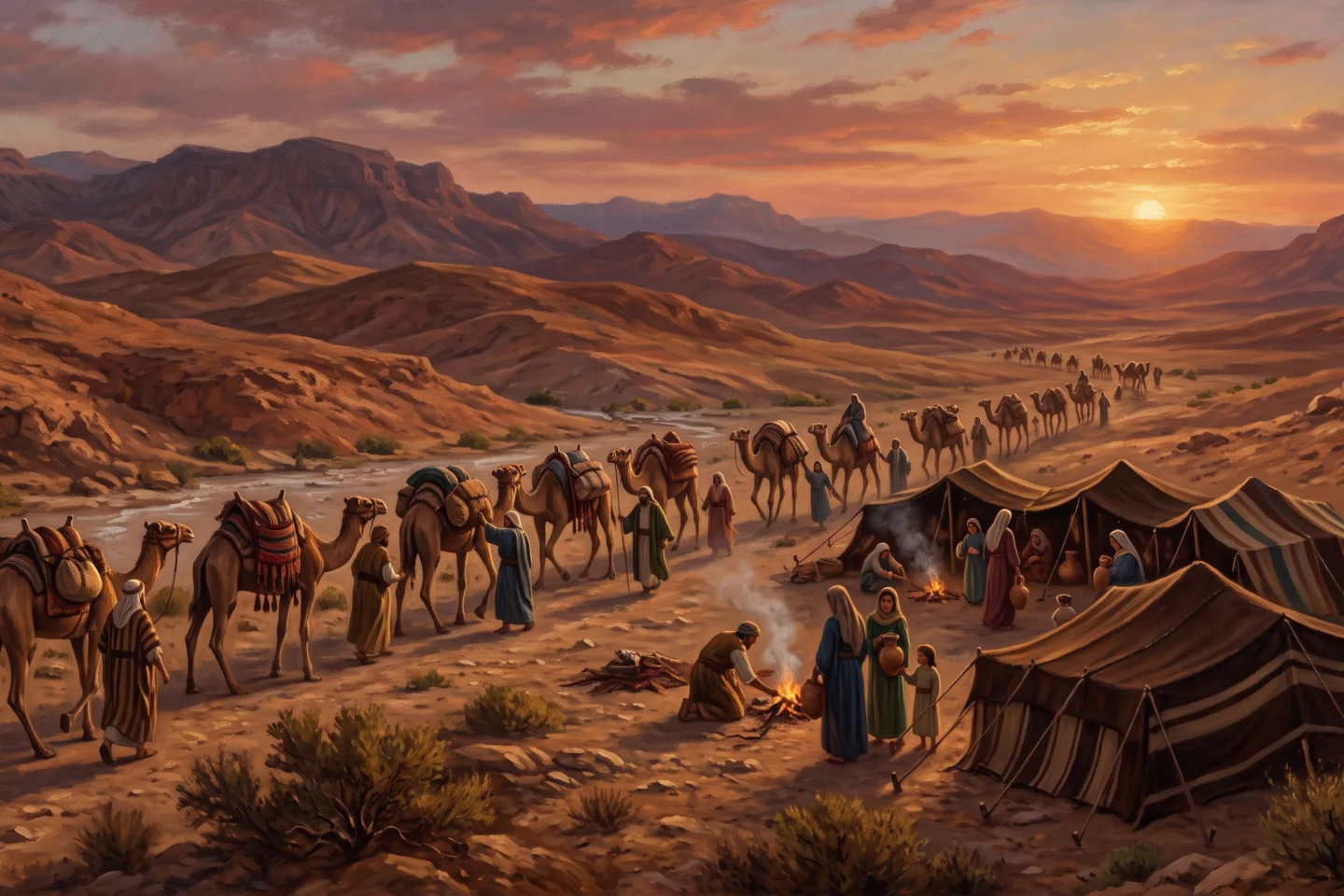
Ishmael’s genealogy lists twelve sons and describes their settlements across a broad region. The record connects with the earlier promise that Ishmael would become the father of twelve princes. Genesis does not present the growth of this line as a rival to Isaac’s covenant role; it presents it as the fulfillment of another promise given to Abraham concerning Ishmael. Once his line has been recorded, the narrative returns to Isaac’s descendants.
Genesis 25:12–18 · Genesis 17:20
Rebekah’s Barrenness and the Oracle Concerning Two Peoples
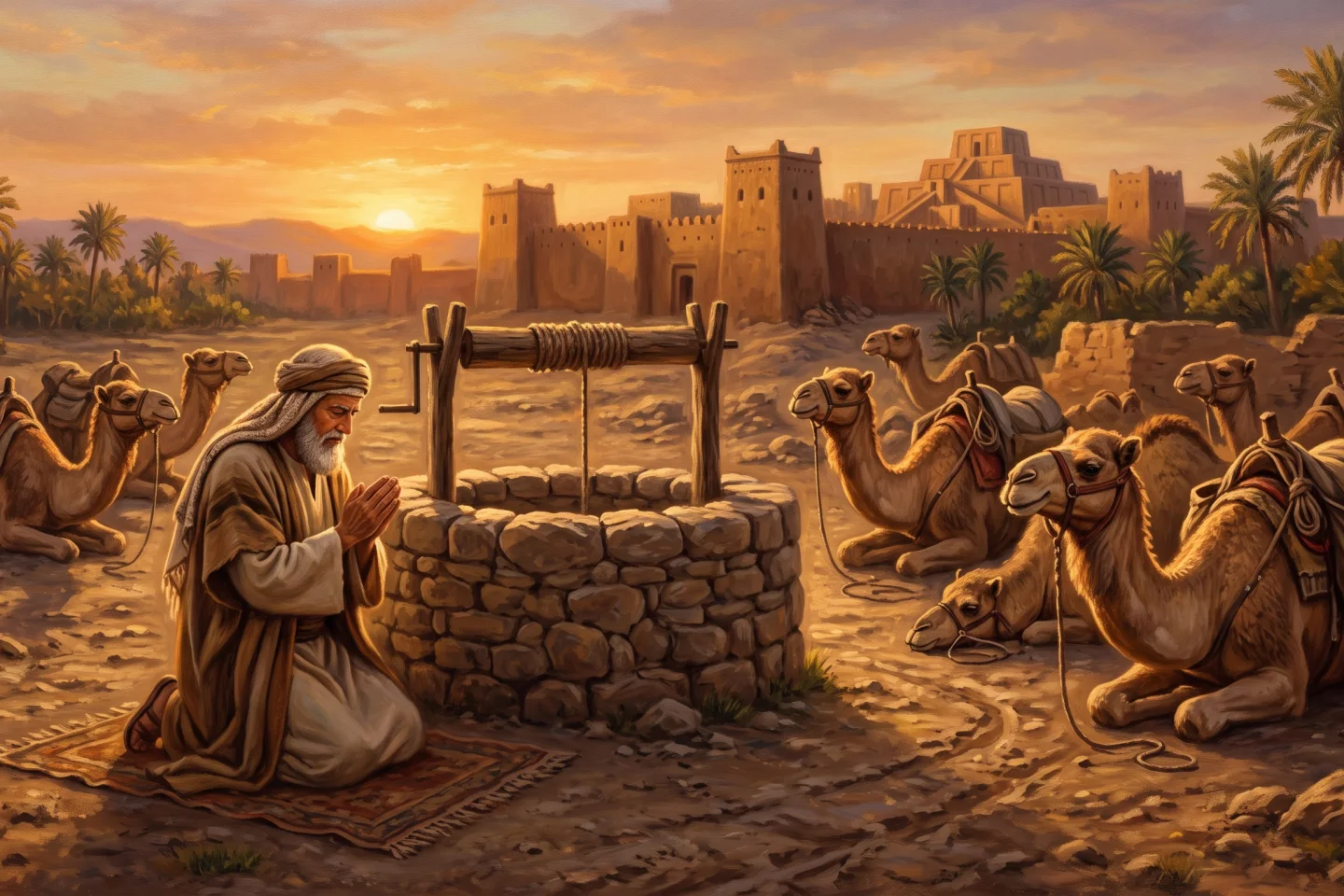
Isaac prays because Rebekah is barren, and she conceives twins. The struggle within her leads her to seek the Lord, who answers by speaking of two peoples and saying that the older will serve the younger. Romans 9 later gives this reversal a theological reading in relation to God’s electing purpose. Genesis therefore establishes the tension between Esau and Jacob before either brother has begun to shape the story through his own choices.
Genesis 25:19–26 · Romans 9:10–13
Esau Sells His Birthright for a Meal
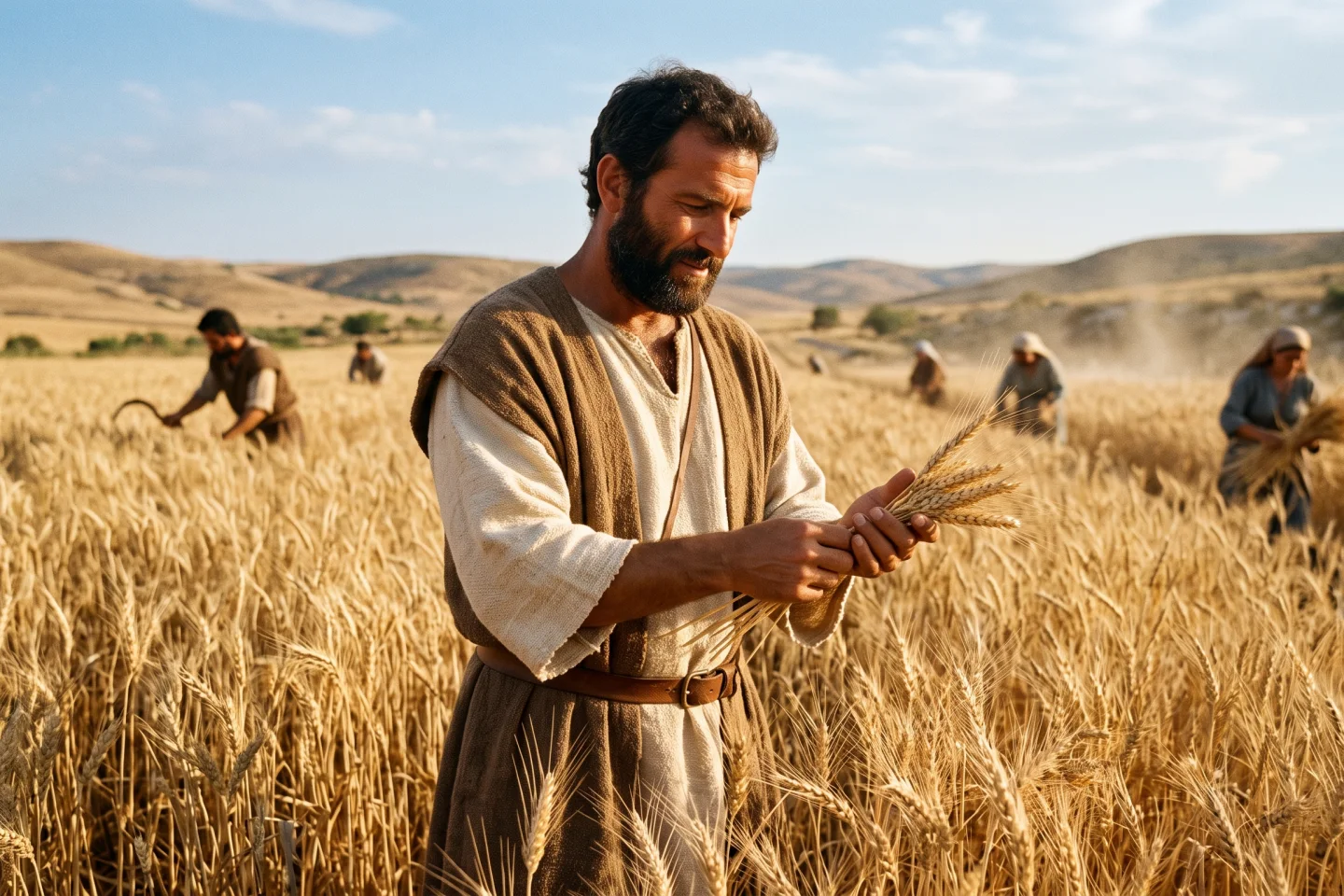
As adults, the brothers display different habits and interests. Esau returns exhausted from the field and asks for food; Jacob demands the birthright in exchange. Esau swears and eats, and the narrative closes by saying that he despised the birthright. Hebrews later uses the event as a warning against treating sacred privilege as worthless beside an immediate appetite. The episode does not yet settle the later struggle over blessing, but it establishes a decisive choice that will shape what follows.
Genesis 25:27–34 · Hebrews 12:16–17
Conclusion
Genesis 25 closes one generation and opens another. Promises associated with Abraham continue to bear fruit in several branches, but the narrative focuses the covenant story on Isaac and then introduces the choice of Jacob. Grief, genealogy, prayer, and conflict combine to show that the promise moves forward according to the direction the biblical narrative attributes to God, not merely by age or social custom.
Biblical references
- Genesis 25:1–34
- Genesis 25:7–11
- Genesis 23:17–20
- Genesis 25:12–18
- Genesis 17:20
- Genesis 25:19–26
- Romans 9:10–13
- Genesis 25:27–34
- Hebrews 12:16–17